

pood
Contributor
- Joined
- Oct 25, 2021
- Messages
- 9,285
- Basic Beliefs
- agnostic
I rarely use AI summaries unless I can be at least reasonably certain that they do not contain errors. I’ll use this one because it is fundamentally correct though I have not checked the exact numbers, but I think those numbers are correct. Again, it bears repeating that relativity would be completely impossible in a world of real-time seeing.
Yes, the Global Positioning System (GPS) must account for both special and general relativity
to provide accurate location data. Without these relativistic corrections, GPS, which relies on precise timekeeping, would accumulate errors of about 10 kilometers (6 miles) per day.
 GPS World +2
Yes, the Global Positioning System (GPS) must account for both special and general relativity
to provide accurate location data. Without these relativistic corrections, GPS, which relies on precise timekeeping, would accumulate errors of about 10 kilometers (6 miles) per day.
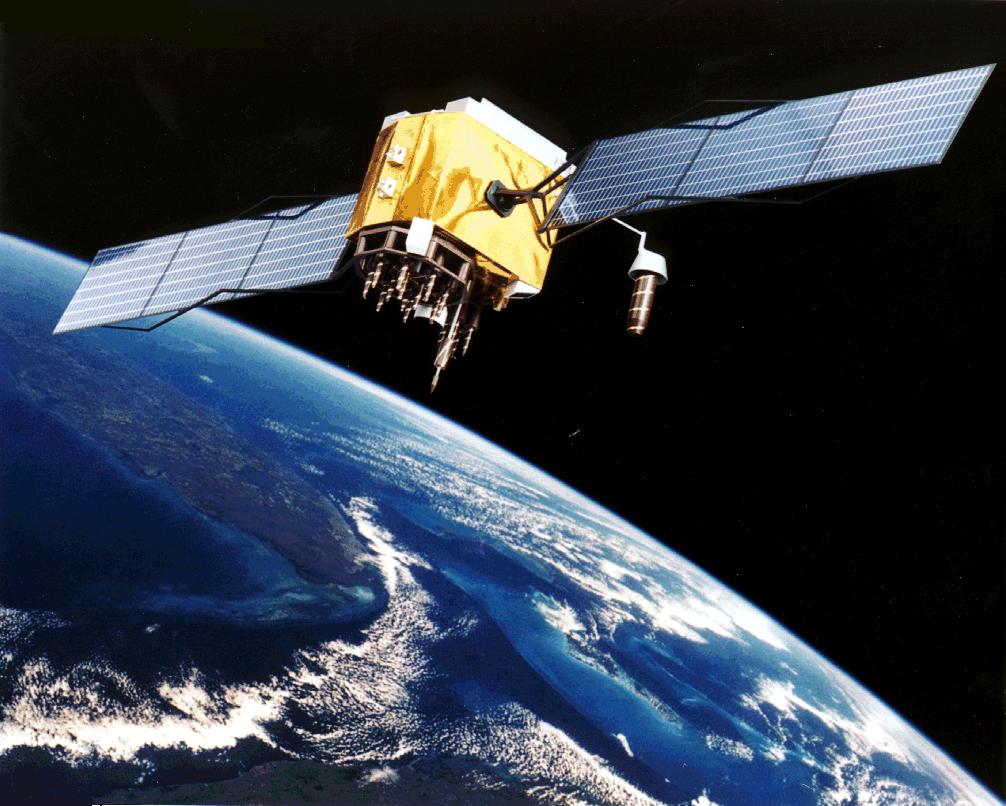
GPS World +2- Special Relativity (Motion): Because satellites move at high speeds (~14,000 km/h), their clocks tick slower than ground-based clocks by about 7 microseconds per day.
- General Relativity (Gravity): Because satellites are in a weaker gravitational field than observers on Earth, their clocks tick faster by about 45 microseconds per day.
- Net Effect: The combined effect is that GPS satellite clocks run roughly 38 microseconds faster per day than clocks on the ground.
- Correction: Engineers pre-adjust the satellite clocks to tick slightly slower at 10.22999999543 MHz (instead of 10.23 MHz) so they appear to tick at the correct rate when in orbit



 )
) P.S. I wish you everything that science has to offer to help you with your eyesight.
  Science is amazing when it works, and I have never said otherwise.


